


Intraday trading attracts beginners because it offers same-day profit opportunities without overnight holding risk. The reality is simple: profits come from discipline, timing, and risk control—not random trades. This guide covers the best daily strategies for beginners, stock selection rules, stop-loss methods, and practical risk management so you can trade with a structured plan.
What Is Intraday Trading?
Intraday trading means buying and selling a stock, index, or other instrument within the same trading day. In simple terms, traders open a position after the market opens and close it before the market closes. There is no overnight holding, which reduces the risk of after-hours news shocks.
The main goal of intraday trading is to capture short-term price movements created by volatility, momentum, and market sentiment. For example, if a stock opens at ₹500 and quickly moves to ₹510 due to heavy buying volume, a trader can book quick profits by exiting the trade on the same day.
Many beginners search for profitable intraday trading advice 66unblockedgames.com because they want a practical roadmap that focuses on daily setups, fast entries, and controlled exits. Since markets move rapidly, success depends on reading short-term volatility and reacting with precision.
Why Beginners Search for Profitable Intraday Trading Advice
Most beginners enter trading with the dream of making fast money, but many lose because they trade emotionally. Profitable intraday trading advice is often searched because new traders struggle with fear, greed, and impulsive decisions.
A common mistake is random stock selection. Many traders simply choose a stock that is “moving” without checking volume, trend direction, or support levels. This leads to poor entries and panic exits.
Another reason people look for profitable intraday trading advice is overtrading. Beginners often place too many trades in a single day, hoping one big winner will recover earlier losses.
One of the best day trading tips for beginners is to follow only 1–2 tested strategies instead of experimenting with everything at once. A simple system often performs better than a complicated one.
I have seen many new traders lose their confidence because they entered trades based on social media tips rather than a plan. Strategy always beats emotion.
Best Time for Intraday Trading
The best time for intraday trading is usually the first 30–60 minutes after the market opens. This is when volume and volatility are highest.
For example, in Indian markets, the market opening strategy often focuses on the 9:15–10:30 AM window. During this time, price direction becomes clearer as institutions and active traders place their orders.
Recommended Time Windows
| Time Slot | Trading Opportunity |
|---|---|
| 9:15–10:30 AM | Strong momentum and breakouts |
| 11:30–1:30 PM | Avoid due to low movement |
| 2:30–3:15 PM | Closing volatility trades |
Avoid the lunch session because price action often becomes sideways and unpredictable. The last hour can again offer strong moves due to closing volatility.
Top 5 Profitable Intraday Trading Strategies
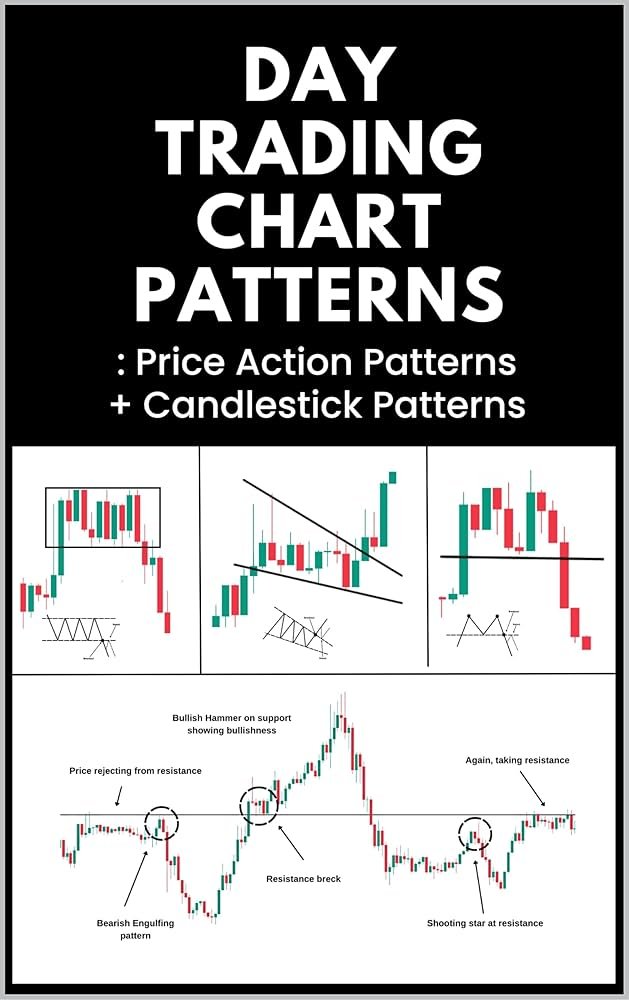
This is the core section for anyone searching profitable intraday trading advice 66unblockedgames.com because strategy determines consistency.
Breakout Strategy
The breakout trading strategy works when price moves above resistance or below support with strong volume.
For example, if a stock remains stuck between ₹100 and ₹105, and then breaks ₹105 with heavy buying, it signals a support resistance breakout.
Use confirmation through volume spikes. False breakouts are common, so never enter without volume support.
The breakout method is ideal during the first hour of trading when momentum is strongest.
VWAP Strategy
The VWAP strategy is one of the most trusted methods for beginners.
VWAP stands for volume weighted average price. It helps identify whether the stock is trading above or below its average price based on volume.
- Price above VWAP = bullish bias
- Price below VWAP = bearish bias
A common setup is buying when price pulls back to VWAP and then resumes upward momentum.
Many professional traders use the VWAP strategy because it gives clean trend confirmation.
RSI + MACD Confirmation
This dual-indicator setup improves accuracy.
The RSI intraday setup helps measure whether a stock is overbought or oversold. RSI above 60 often supports bullish trades.
The MACD crossover confirms trend strength.
For example:
- RSI crosses above 60
- MACD line crosses signal line upward
- Volume increases
This creates a high-probability entry.
Using both RSI intraday setup and MACD crossover reduces false signals significantly.
Moving Average Crossover
The EMA crossover strategy is simple and beginner-friendly.
A popular setup uses:
- 9 EMA
- 20 EMA
When the 9 EMA crosses above the 20 EMA, it signals bullish momentum.
This moving average strategy works best in trending stocks rather than sideways markets.
The EMA crossover is excellent for visual clarity and fast decision-making.
Scalping Strategy
The scalping intraday strategy focuses on very small price movements.
Scalpers take multiple quick profit trades throughout the day, often holding positions for just a few minutes.
For example, capturing ₹1–₹2 moves in high-volume stocks multiple times can compound into meaningful profits.
This scalping intraday strategy requires fast execution and strict discipline.
For many traders looking for profitable intraday trading advice 66unblockedgames.com, scalping becomes effective only after mastering risk control.
Risk Management Rules
Risk management is more important than strategy.
A strong stop loss strategy protects capital from large losses.
Golden Rules
- Risk only 1–2% per trade
- Use fixed stop-loss levels
- Maintain 1:2 risk reward ratio
- Set daily loss limit
Example:
If your capital is ₹50,000, risk only ₹500–₹1,000 per trade.
A good risk reward ratio means risking ₹500 to target ₹1,000 profit.
This ensures that even with a 50% win rate, you remain profitable.
Another essential stop loss strategy rule is to never move your stop-loss further away after entering.
Capital survival matters more than daily profits. Capital protection keeps you in the game long enough to improve.
Avoid revenge trading after losses. One emotional trade can erase an entire week’s profits.
How to Choose Stocks for Intraday
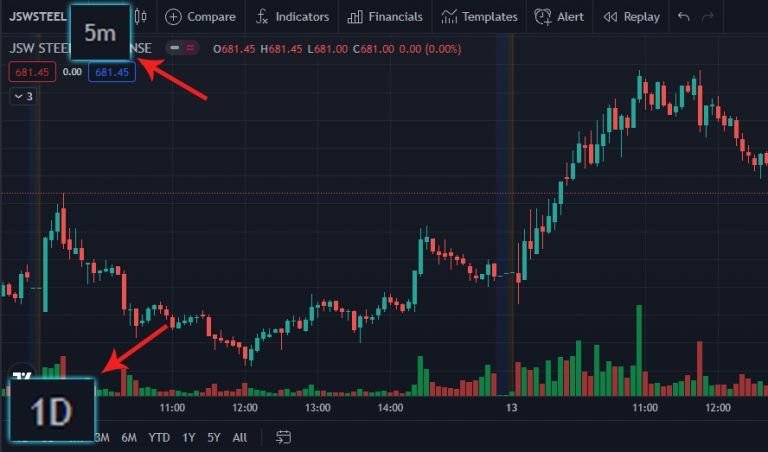
Stock selection plays a huge role in success.
The best liquid stocks for intraday have:
- High trading volume
- Strong volatility
- Tight bid-ask spread
Focus on high volume stocks because they provide smooth entries and exits.
Examples include:
- Large-cap banking stocks
- IT stocks
- Index heavyweights
The best liquid stocks for intraday often come from sectors showing momentum due to news, earnings, or macroeconomic events.
Trending and news-driven stocks offer better movement than random picks.
Common Mistakes Beginners Must Avoid
Beginners lose mainly because of repeated mistakes.
Major Errors
- overtrading
- emotional trading
- no stop loss
- FOMO entries
- over leverage
- no journal
Many traders chase a stock after it has already moved significantly. This leads to poor risk-reward.
Keep a journal of every trade. Track:
- entry reason
- exit reason
- mistake
- lesson learned
A trading journal accelerates improvement.
Conclusion
Profitable intraday trading is possible, but it requires structure, timing, and discipline. The best results come from combining strategy with risk control.
Focus on:
- best trading time
- breakout and VWAP setups
- 1:2 risk reward ratio
- high-volume stock selection
- strict stop-loss discipline
Beginners should master one strategy first before scaling position size. Consistency matters more than one big winning trade.
FAQs
Is intraday trading profitable?
Yes, intraday trading can be profitable when traders follow a tested strategy, strict stop-loss rules, and proper risk management. Without discipline, losses happen quickly.
What is the best strategy for beginners?
For beginners, the VWAP strategy and moving average crossover are the easiest and most reliable starting points.
How much capital is needed?
A beginner can start with ₹10,000–₹50,000 depending on broker margin rules. The key is not the capital amount but the percentage risk per trade.
Can I make daily profit?
Daily profit is possible, but not guaranteed every day. Professional traders focus on long-term consistency rather than forcing daily gains.
What is the safest stop-loss rule?
The safest rule is risking only 1–2% of total capital per trade with a minimum 1:2 risk reward ratio.
Also read : Businessgrowthhacker.com phoenix business growth consultant
